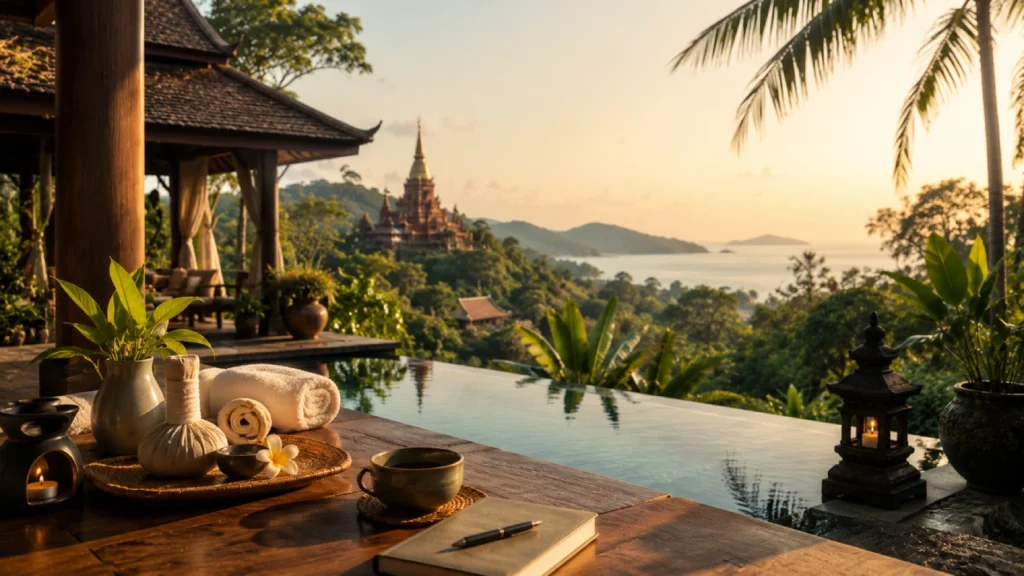

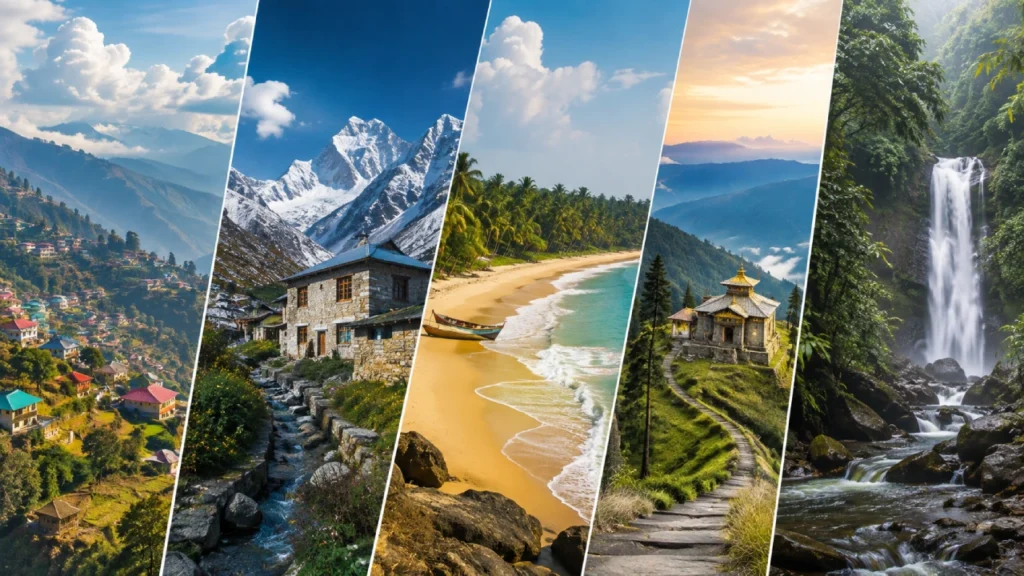
Travel today often revolves around packed itineraries, crowded viewpoints and ticking off famous destinations. Places like Darjeeling, Goa, Mussoorie and Coorg continue to attract thousands of visitors every year, but their popularity often brings traffic, queues and soaring prices. Yet, within these same states are quieter landscapes that remain overlooked—not because they are any less beautiful, but because they have stayed away from the spotlight. Here, in many such peaceful destinations in India, mornings begin with birdsong instead of traffic, evenings unfold beneath star-filled skies, and conversations with local communities become as memorable as the destination itself.
The growing appeal of slow travel reflects this changing mindset. Rather than trying to cover as many attractions as possible, more travelers are choosing experiences that allow them to pause, connect with local culture, savor regional cuisine and appreciate nature at its own pace. These places may never trend on social media, but they often leave the deepest impressions. For travelers looking to disconnect without stretching their budget, these five destinations prove that sometimes the most memorable journeys begin where the crowds end.
The Eco-Village in the Clouds – Chatakpur, West Bengal
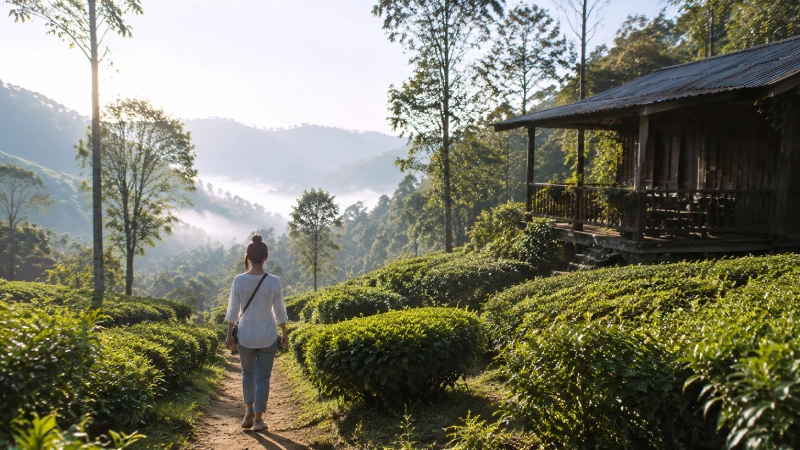
Darjeeling may be North Bengal’s most celebrated hill station, but a short drive away lies Chatakpur, a small eco-village inside the Senchal Wildlife Sanctuary. Unlike commercial hill towns, Chatakpur has no large hotels. Visitors stay in community-run wooden homestays, many serving home-cooked meals prepared with locally grown produce. Tourism here directly supports local families while preserving the surrounding forest. The biggest attraction is the simplicity of everyday life. Watching the sunrise paint Mt. Kanchenjunga in shades of gold, walking through pine forests or simply sitting on a balcony listening to birds offers a welcome change from the usual pace of city life.
- Approximate Budget: Rs 1,200 – Rs 1,800 per person per night, usually including meals.
- The Peace Factor: While Darjeeling buzzes with visitors throughout the year, Chatakpur offers the same Himalayan beauty in a setting where nature remains the loudest voice.
Where the Road Ends – Mana Village, Uttarakhand
While Mussoorie, Nainital and Rishikesh remain Uttarakhand’s biggest tourist draws, Mana Village offers an entirely different experience. Located near the Indo-Tibetan border, it is famously known as the last Indian village before the mountains take over. National Highway 7 reaches its northern end here, making the destination both symbolic and accessible. A visit is incomplete without stopping at the tea stall proudly known as the “Last Tea Shop of India”, while the nearby Saraswati River crashes through rugged rocks, adding to the dramatic landscape. Despite its remote location, Mana is easily accessible from Badrinath. Small guest houses and family-run homestays provide simple accommodation, while local cafés serve affordable meals and hot tea.
- Approximate Budget: Rs 800 – Rs 1,800 per night, with meals costing around Rs 300 – Rs 500 a day.
- The Peace Factor: Mana is less about sightseeing and more about standing still — at the point where the road ends and the Himalayas begin.
The Silent Shore – Galgibaga Beach, Goa
For many travelers, Goa is synonymous with crowded beaches and nightlife. Galgibaga Beach, tucked away in South Goa, tells a quieter story. It’s also known as the “Turtle Beach” as one of the state’s important Olive Ridley turtle nesting sites, the beach is protected by conservation rules that restrict large-scale commercial development. Without loud music, permanent beach shacks or party crowds, the shoreline has retained its natural charm. Silver sand stretches along the Arabian Sea, bordered by swaying casuarina trees. Instead of beach clubs, visitors find long walks, gentle waves and uninterrupted sunsets.
- Approximate Budget: Rs 2,000 – Rs 3500 per night for guesthouses or eco-stays. Meals cost around Rs 200 – Rs 700, while scooter rentals make exploring the area affordable.
- The Peace Factor: While North Goa celebrates energy and nightlife, Galgibaga celebrates silence.
The Meadow in the Sky – Chopta, Uttarakhand
Beyond Uttarakhand’s busy hill stations lies Chopta, a small Himalayan settlement surrounded by alpine meadows, pine forests and snow-capped peaks. With no bustling markets or luxury resorts, the destination has retained its rustic character. Campsites, basic lodges and homestays allow visitors to experience the mountains without unnecessary distractions. Chopta also serves as the base for the trek to Tungnath and Chandrashila, but the meadows themselves are reason enough to stay. As darkness settles, the absence of city lights transforms the sky into a spectacular canvas of stars.
- Approximate Budget: Rs 1,000 – Rs 2,000 per night, with meals costing Rs 150 – Rs 300.
- The Peace Factor: Here, the mountains are not rushed through — they are experienced slowly, one quiet moment at a time.
The Heart of the Rainforest – Agumbe, Karnataka
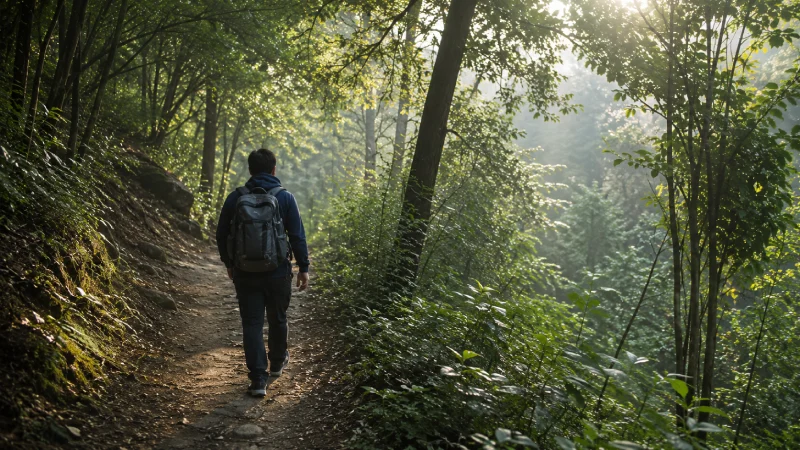
Coorg often dominates Karnataka’s travel map, but deep within the Western Ghats lies Agumbe, a rainforest village where mist, waterfalls and dense forests define the landscape. Known as the “Cherrapunji of South India” for its heavy rainfall, Agumbe is part of one of the world’s richest biodiversity hotspots. Hidden streams, towering trees and abundant wildlife create an atmosphere far removed from commercial tourism. Simple homestays, local cuisine and breathtaking sunsets over the Western Ghats make the experience both authentic and affordable. The village is also home to the renowned King Cobra Research Centre, highlighting its ecological significance.
- Approximate Budget: Rs 1,000 – Rs 2,000 per night, often including home-cooked meals.
- The Peace Factor: Agumbe offers travellers the chance to reconnect with nature in one of India’s oldest rainforests, where silence is broken only by birds, rain and flowing streams.
Where the Journey of Peaceful Destinations in India Truly Begins
Not every memorable journey is measured by the number of places visited. Sometimes, it is the quiet sunrise over Kanchenjunga, the roar of the Saraswati River, an empty beach at sunset, a meadow beneath a sky full of stars or the gentle rhythm of a rainforest that stays in memory the longest. As India’s popular destinations continue to grow busier, these lesser-known corners prove that choosing a quieter road does not mean compromising on beauty, accessibility or budget. Instead, they offer something increasingly rare—a chance to slow down and let nature set the pace.
In the end, the best trips are not always the ones filled with the longest itineraries or the most photographs. They are the ones that leave enough room to pause, breathe and experience a place beyond its landmarks. Sometimes, all it takes is choosing the road less travelled to discover that the greatest luxury nature offers is not adventure, but peace.