

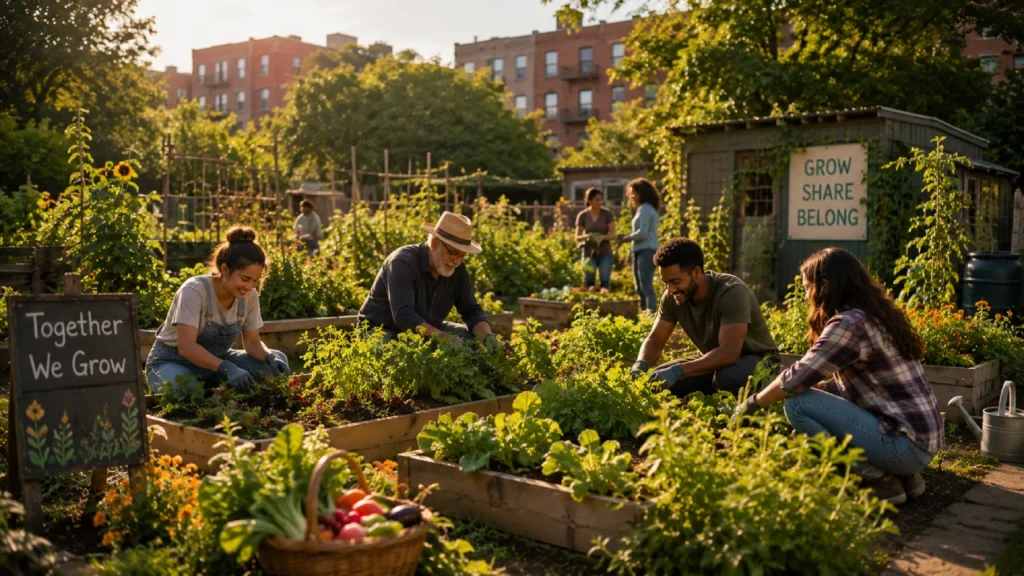
In cities full of apartment buildings, traffic , concrete pathways , and an always busy schedule , a small patch of green can feel a little off and honestly precious. Like, a couple of vegetable beds , flowering plants, herbs and even fruit trees can turn a shared corner into a warmer spot more inviting , almost like it’s breathing easier. At least for a while.
This is that quiet pull from community gardening you know the one. A community garden isn’t only where plants are grown. It can also become a meeting place for neighbours, an outdoor classroom for kids , a reliable source of fresh food , and a decent pause from routines that are slowly becoming more and more digital. Folks who might otherwise trade only a quick hello , can end up swapping composting ideas and talking about watering schedules together, then also talking about the day’s harvest like it really matters
And when wellbeing is so often tied to expensive trips, complicated routines, and carefully rehearsed lives , community gardening gives you something more basic. It gets you outside, gives you living things to attend to, and makes room for real togetherness. Not the forced kind, but the natural kind. Sometimes wellbeing begins with something as simple as planting a seed together.
Turning Empty Spaces Into Green Corners
Community gardens show up in all sorts of ways, like some folks use unused plots, while others get started on apartment rooftops , in housing society courtyards, on school grounds, or even in shared little pockets across the neighbourhood. Honestly the size doesn’t always matter. A bigger plot might hold vegetables, fruit trees and flowering plants, but even a tiny terrace can manage containers of mint, coriander, tomatoes, chillies, and seasonal blooms. What makes it matter though is that shared duty behind it.
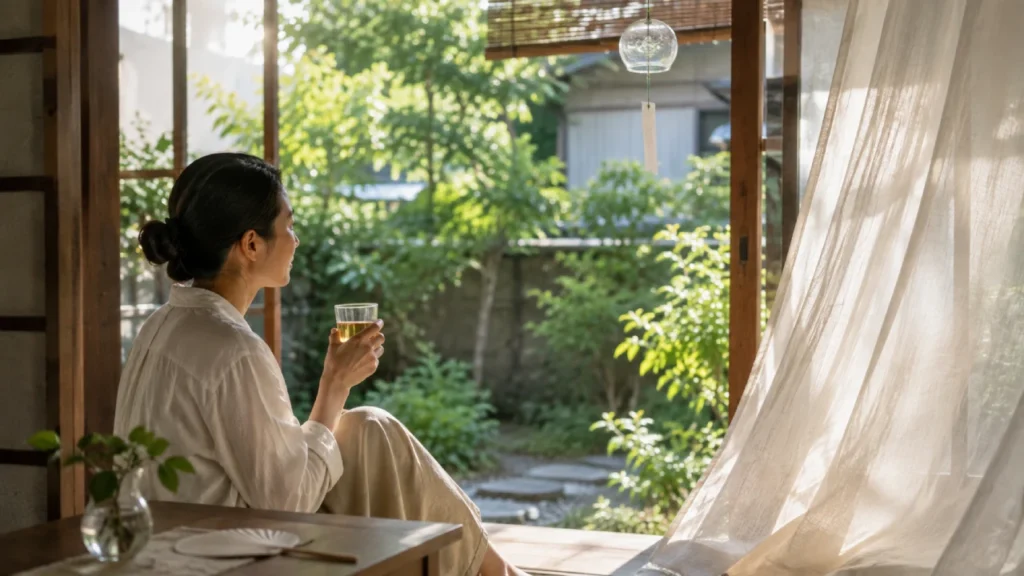
That dull, neglected corner can slowly turn into a spot where residents pause for a chat, kids watch for butterflies, and people take a few quiet minutes away from their phones. It’s a physical shift, sure, but it can also reshape how people feel about their area. A place that used to be ignored, becomes familiar, and a bit more welcoming too.
The Satisfaction of Growing Food
There is a particular pleasure in eating something that has been grown by hand. A handful of coriander cut from a community planter or a tomato picked from a vine creates a direct link between the garden and the kitchen, somehow. For many urban residents , that connection has become more and more distant.
Supermarkets make food convenient , but they usually don’t show the time and care required to grow it. Community gardens make the whole thing visible. A seed becomes a seedling, the seedling builds leaves, flowers show up, and eventually something edible appears. That sequence can feel slow, but it teaches you to stick with it. It encourages patience while also giving the food a bit more weight and value.
It can also help people appreciate seasonal produce. When a vegetable takes weeks of watering and careful attention before it reaches the plate, tossing it away casually feels different, real different.
Gardening makes natural connections
Maybe the most important word, in community gardening, is community. Like, gardening gives people a reason to work together without having to do a formal social get-together. One neighbour might know how to prep compost, another has had real experience growing vegetables, while someone else is just willing to water the plants regularly.
And knowledge sort of travels naturally between different ages. Older residents can share gardening techniques and little stories about traditional plants, while younger participants can bring fresh approaches, around composting, urban growing, or sustainable gardening.
The garden ends up being a shared project , and that shared responsibility, it tends to build a stronger sense of belonging. Also, it’s a pretty straightforward route for new residents to slip into the neighbourhood. Rather than inventing an excuse to say hello, they can just show up and join the gardening routine that already exists.
A Break From Digital Life
A lot of modern interaction happens through screens now. Messages, social media, and video calls make it easier to stay in touch, but they cannot fully replace the feeling of being there in person with other people.
Community gardening gives a different, kind of social setting. Conversations often happen without forcing it, while planting, watering, or harvesting. Nobody needs a carefully planned “activity” or a constant stream of entertainment.
The garden itself basically becomes the excuse to meet up. For anyone spending much of the day at a desk, or staring at screens, even thirty minutes outside can feel like a meaningful shift in rhythm.
Plus, it helps you notice stuff that is easy to ignore on a rushed day: the smell of wet soil, the way a new leaf shows up, the movement of insects, or how the light changes across the garden.

Learning Patience From Plants
Plants keep to their own timetable, not the one we like. A seed cannot be forced into becoming a plant, and a vegetable cannot be harvested just because someone wants it sooner. Growth really depends on sunlight, water, soil, temperature, and time, all of it, not one part in isolation. That makes gardening feel like a very natural lesson in patience.
These days, everything seems to be about instant outcomes. Food shows up quickly, entertainment is ready right away and messages get answered almost immediately. In that context gardening gives a totally different pace. It quietly teaches that some things have to be nurtured slowly, step by step.
And yes, setbacks happen too. A plant may not take, too much rain can ruin a crop, and pests might turn up without warning. Learning to accept these small letdowns is part of the whole deal. Over time, the experience can even build a more realistic view of growth: not everything will go perfectly, but progress can still matter.
Children Can Learn Beyond the Classroom
Community gardens can be really helpful for children. When a child plants a seed and then watches it grow, they gain a hands-on understanding of nature that a textbook can’t always provide. Gardening brings up ideas like soil, roots, pollination, insects, seasons and food production, all through direct experience not just diagrams.
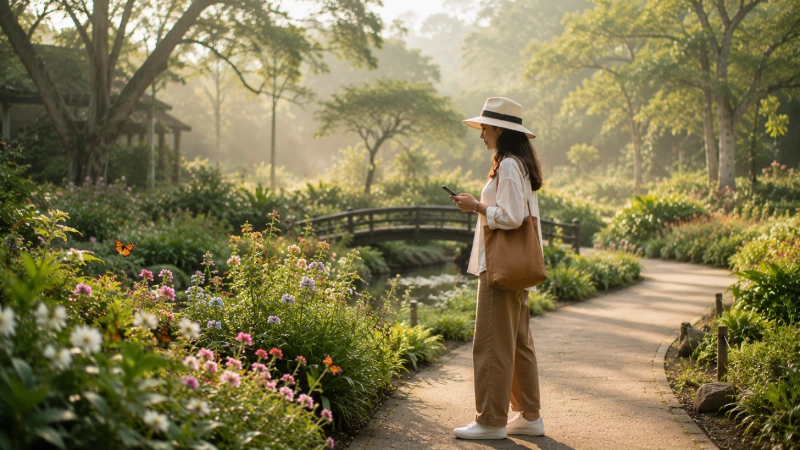
Even small responsibilities are lessons in their own way. Watering a plant regularly, checking whether leaves look healthy, and helping with harvest shows that living things depend on steady care, every day kind of steadiness.
These moments can spark stronger curiosity too, like where food comes from, and how natural systems actually work. And a garden can also turn into a shared family space. Parents and children can spend time outside together, without the stress of arranging a separate “activity” for the week, or whatever.
Growing Together Can Support Wellbeing
Gardening brings together a mix of things that can help everyday wellbeing, like time outside , some gentle physical movement and that easy contact with nature, plus periods of steady, focused attention. It’s the kind of routine that, even when life is busy, can still feel soothing in the background.
The repetitive side of gardening can be calming too. Pulling weeds, arranging seedlings , watering plants, or preparing soil gives your mind a rather simple job to hold onto. You’re not juggling a thousand thoughts at the same time, you’re just there, doing the next small step.
It can also create a welcome separation from work and household responsibilities, like switching from one channel to another. And it doesn’t have to turn into yet another productivity challenge. A community garden doesn’t need to produce the biggest harvest, or look perfect, trimmed and polished, the whole time.
Honestly, the process of participating can be enough. For some people, the garden becomes a place to unwind after work. For others, it’s a reason to step out on weekends or meet neighbours they might otherwise never get to know.
Sharing The Harvest
A community garden, if it keeps going and people stay involved, can eventually produce more than individual households actually need. And then that opens up another chance for connection.
Neighbours can trade vegetables, herbs , and flowers. If there’s surplus , it can be shared with local community initiatives or offered to people who might benefit from it.
A harvest can feel more meaningful once it’s shared. The person who planted the seeds may not be the one who ends up cooking the vegetables. The one who watered the plants might never taste the final meal. Still , everyone contributes, in their own way.
That’s the essence of growing together. The garden becomes a reminder that communities can create value collectively, with each person adding something small, even if it seems modest at first.
Composting Sets Everything Up In A Full Circle
Community gardens can push more sustainable habits too , especially through composting. Fruit and vegetable scraps, fallen leaves and other organic materials that are usually just set aside can be turned into compost , and then later end up back in the soil again. That ends up as a simple natural loop: what might have been treated as “waste” becomes nourishment for fresh growth.
For people in the city, composting can make sustainability feel real, not just a vague idea. Instead of only hearing about waste reduction, residents can actually watch organic matter return to the earth and help support another crop. And over time it may nudge households to be a bit more careful about what they toss out.
Community Gardens Make Cities feel More Human
Most urban spaces seem built around motion and efficiency. Roads link destinations, buildings offer homes, and businesses provide services. Gardens, though , add something else, like a quiet pause in the middle of everything. A community garden gives residents a reason to linger in their own area, rather than constantly running off to find recreation elsewhere.

It can turn into this everyday familiar part of neighborhood life, a place where kids play, older neighbors sit and chat, people trade greetings , and volunteers just work together. That comfort can make a big city feel slightly smaller, and honestly more personal. For apartment communities, a shared garden can even feel like an extra room or extension of the home somewhere to spend time without always needing to stay indoors.
Gardening Can Preserve Local Knowledge
Community gardens can also turn into places where local know-how stays alive, not just grow plants. Older generations might remember which vegetables do well in that specific climate, which herbs are used in traditional ways ,and what plants tend to bring pollinators. Younger people can add their own knowledge, like fresher gardening techniques, vertical growing ideas or even water-efficient setups. That kind of sharing builds a living archive of practical know-how.
It matters a lot in cities, where those older connections to farming and seasonal food can slowly fade away. A community garden doesn’t have to copy the countryside lifestyle. Instead, it can carry small pieces of that wisdom into an urban setting, and it’s still meaningful.
Starting Small Is Enough
A community garden doesn’t need a massive budget or some huge plot of land. A housing society can start with a few shared planters. A school could set aside a little corner for herbs and vegetables. Residents can also create a rooftop garden with containers. Sometimes even a couple of well-placed planters can be enough to begin the shared momentum.
The key part is setting clear roles, because otherwise things get messy. Who waters the plants? Who buys the seeds, or checks the soil? Who manages compost, and when? And how will the harvest be divided or shared? Simple systems can stop one or two individuals from becoming the whole engine. Most importantly, the garden should feel welcoming. People don’t need to be expert gardeners to join in. Some might already know what they’re doing, pretty confidently. Others might just be curious, or experimenting. In the end both types have a spot there.
The Simple Joy Of Growing Together
Maybe the biggest appeal of community gardens is that they give you more than one connection, all at once. People connect with nature, in a pretty straightforward way, they watch the plants move from small beginnings to something real. They connect with food by learning where it comes from, not just from a shelf. And they connect with neighbours through shared tasks, like watering, turning soil, and showing up when it matters. Kids get practical learning, while older people get a real chance to share knowledge, the kind you only pick up over years.
None of that needs a fancy wellness programme. Honestly, a packet of seeds, some soil, a little space and a few willing hands can be enough to start, right there.
Sure the garden might give you vegetables, flowers, and herbs, but its less obvious harvest can still be just as meaningful. You get conversations, friendships, confidence, patience, and a stronger feeling of belonging that sticks around longer than the season.
Conclusion
Community gardens show that wellbeing does not always have to be complicated, or pricey either. They bring greenery into the middle of busy places, they support a healthier relationship with what we eat, and they create moments where neighbours can actually spend time together in a grounded way. More than that, they slow things down a little, even if only for an hour, in lives that are usually packed with screens, deadlines, and constant rushing.
A garden might start with one seed, but the effect can ripple well beyond the plant itself. There can be chats beside the vegetable beds, children noticing their first sprouts, neighbours swapping recipes, and families carrying home a small harvest they can be proud of.
In the end, community gardening is not only about growing plants. It’s about growing relationships, building patience, and creating a real sense of belonging. And sometimes, the simplest pleasure is watching something grow, not by yourself, but together.