

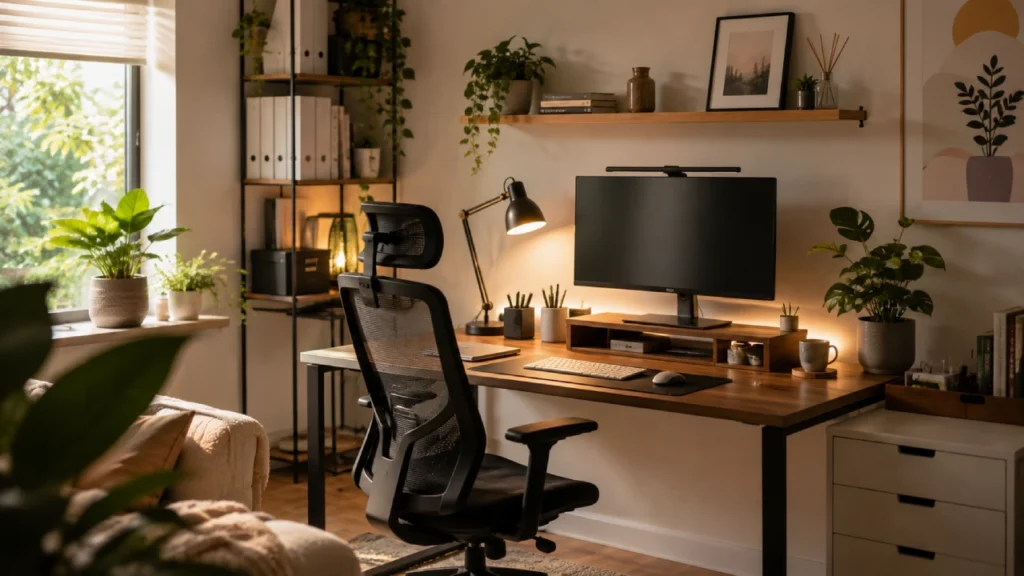
The dining table turns into a desk, the sofa becomes a meeting space, and the bedroom slowly starts feeling like a workplace. That’s where a calm work corner can really help. You don’t need an entire room either. Even just a small corner in a bedroom, living room or hallway can turn into a comfortable and productive setup, with a little thoughtful planning. The point is not to make it look like some polished office photo. It’s more about building a place that feels organized, comfortable, and separated enough from the rest of the house that your brain can switch into focus mode.
Pick the Right Spot
First, figure out where it will actually work best for you. Ideally, place the desk away from the home’s busiest areas. If your workspace is right by the television, the kitchen, or a door that people use a lot, you might get constant little distractions. If possible, aim for natural light. A window can make even a small desk area feel brighter and easier to work in.
Still, try not to set your monitor directly in front of a window, because glare is a real problem. If you can, position the desk sideways or perpendicular to the window so the light supports you but doesn’t mess with your screen. And if your space is tight, you can absolutely repurpose an unused corner of a bedroom, living room, or hallway.
Make a Simple Visual Boundary
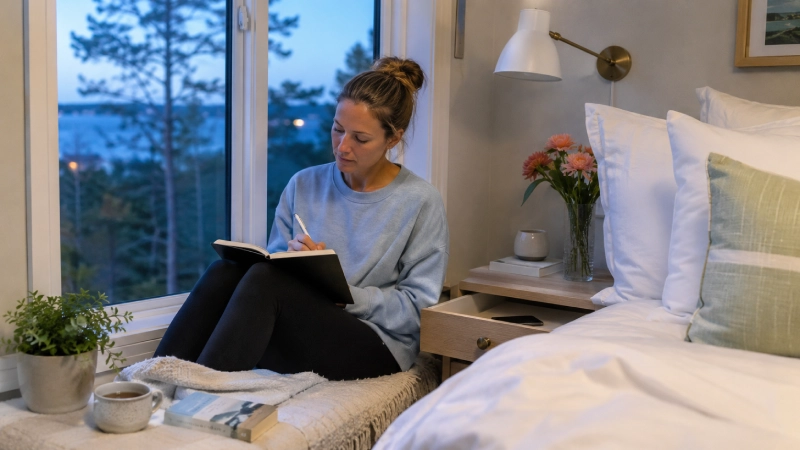
You don’t need a full-on office room to define a work zone. A visual boundary can do wonders, like a soft signal to your brain. Think of a small rug, a bookshelf, a curtain, a room divider, or even a slightly different wall colour. Any of these can help the work corner feel distinct from the rest of the space.
For instance, putting a narrow bookshelf behind the desk or sometimes just beside it can make a quiet sort of separation between your work zone and the living part. And it does not need to feel fixed, or permanent, it can change as you need. In a small home this is extra handy, especially if you pick furniture that folds away, or that you can shift pretty easily. The point is to give yourself a clear visual cue that says, “Ok, this is where I work.”
Choose Comfortable Furniture
Comfort should be near the top of the list when you’re picking furniture. A desk should have enough room for your computer and the everyday items you grab most often, but it should not be so big that it starts swallowing up the whole room. If you work mostly on a laptop, then a compact desk might work just fine. The chair is honestly even more important. Aim for one that gives solid back support, and lets you stay seated comfortably for longer stretches. You really do not have to buy fancy or costly office furniture.
Think About Ergonomics
A workspace that looks great but makes you uncomfortable is not really useful. Place your computer screen so you’re not constantly leaning your head down. If you mostly use a laptop, a laptop stand can lift the screen nearer to eye level so you don’t strain. Then an external keyboard and mouse can help you keep a steadier posture and a more relaxed neck. Try to keep the things you use most within easy reach, so you are not always reaching, stretching, or turning your torso.
Keep the desk more or less clutter free
Clutter can very quickly make a small workspace feel almost chaotic, even if you didn’t notice it happening. Receipts, notebooks, cables, stationery, empty cups and documents can stack up sooner than expected. Instead of letting everything just sit there on the desk, give each type of thing a specific place to go.

A small organizer works well for pens and other stationary bits. A tray is good for everyday objects in the workspace. Documents can go in a file holder or, if you prefer, in a drawer. Try to keep the main working surface as clear as possible , most of the time. This does not mean the desk needs to look completely empty.
Use calming lighting
Lighting affects how a workspace feels, more than most people think. Natural daylight is ideal during the day, but you’ll still need artificial lighting for evenings and darker days.
Rather than only using a bright ceiling light, add a desk lamp. A lamp gives focused illumination and can make that corner feel warmer, more comfortable. A dimmable light is especially useful because you can adjust the brightness depending on the time of day.
Also, avoid placing lights where they reflect straight onto your screen. The goal is to light your workspace without causing eye strain or glare.
Choose a relaxing colour palette
Colour shapes the mood of a space , and it matters even when you’re not fully thinking about it. Soft neutrals, warm whites, beige, muted greens, gentle blues, and earthy shades can create a quieter visual environment. You don’t need to repaint the entire room to get this effect either.
A desk mat, a cushion, artwork , or a few small decorative objects can bring calmer colours in without major changes. At the same time, don’t feel trapped by one fixed colour scheme. Workspace should kind of reflect your personality. If brighter colours make you feel more energetic and positive, then honestly there’s no real reason to avoid them.
Don’t Overspend
Making a calm work corner doesn’t really need a huge budget at all. Honestly, you can repurpose what you already have, and use low cost organisers , plus build storage solutions from stuff you already own at home.
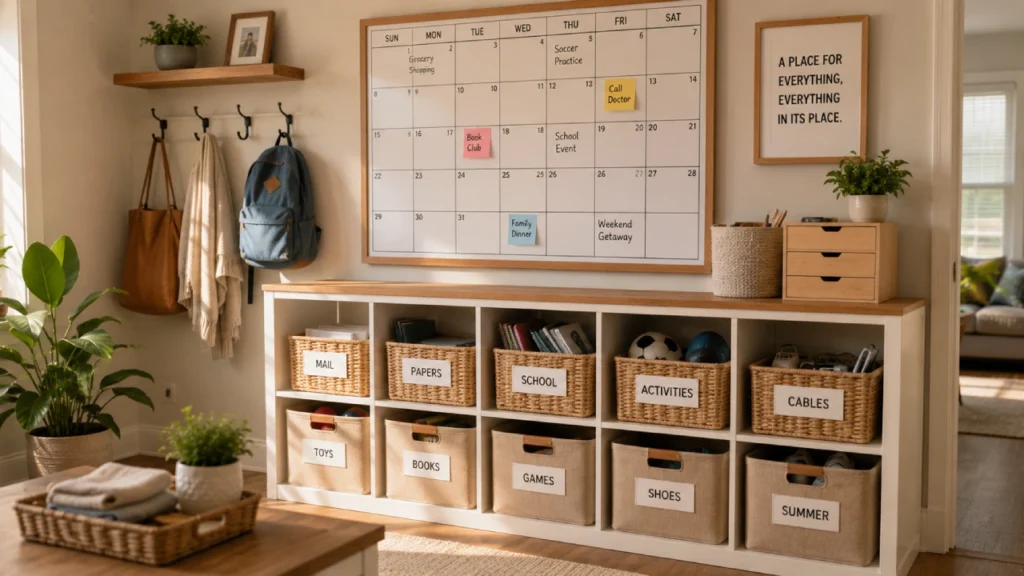
Even a pretty basic desk can feel polished when you handle cables well, pick the right lighting and keep the surface clear. Rather than buying everything in one go, figure out the main pain point in your current setup and fix that first. If your chair feels off, improve the chair. If the desk is too dark, upgrade the lighting. If clutter is pulling your attention, bring in smarter storage.Small upgrades can end up doing more than some costly renovation or makeover.
Conclusion
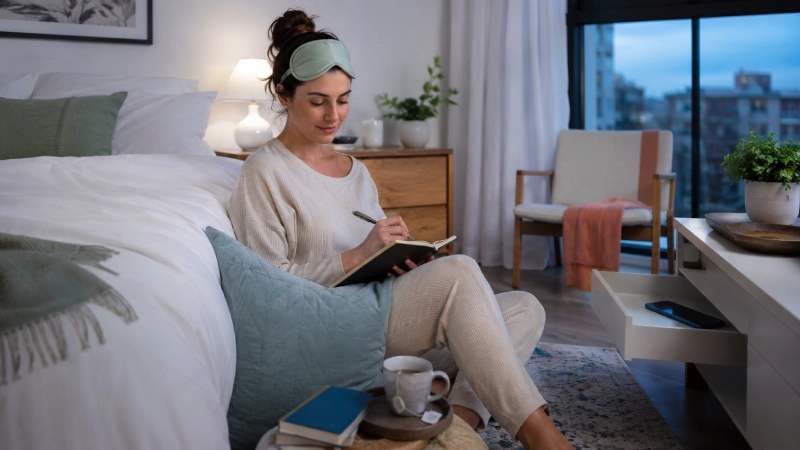
A calm work corner at home is mostly about choosing an environment that supports the way you like to work. Pick a spot with fewer distractions, create some sort of visual boundary, and put money into basic comfort and ergonomics. Keep the desk tidy, manage the cables, use lighting that actually helps, and add a couple of natural or personal touches so it feels welcoming.
Most importantly, set up a clean start and stop for your workday. When you’re done, close the laptop, tidy the desk , and step away from the workspace for real. Also, your home office does not have to be large, pricey, or perfectly styled. A smaller corner, designed with intention, can give you the structure you need to focus during work hours and still help you switch back into home mode after the day is over