

Fermented foods have been part of human diets for thousands of years. Like, long before refrigeration showed up, people noticed that natural fermentation could keep food for longer, while also making it taste different. Today, fermented foods are still a big deal in cuisines worldwide, bringing a mix of tradition, nourishment, and pure flavor. From creamy yogurt to tangy kimchi and savory miso, these foods are more than just kitchen basics; they usually carry generations of cultural memory. So let’s look at some simple fermented foods from around the world and how people typically enjoy them on regular days.
Kimchi – South Korea
Kimchi is one of South Korea’s most iconic foods. Usually, it’s made by fermenting napa cabbage or radish with garlic, ginger, chili flakes, and other seasonings. In Korea, people eat kimchi with almost every meal. It might show up as a side dish, or get mixed into fried rice, or be added to soups and stews. Some folks also tuck it into pancakes and dumplings. Its spicy, tangy punch gives everything a kind of bright, lively depth, and it kinda works with so many different tastes.
Yogurt – Middle East, India, and beyond
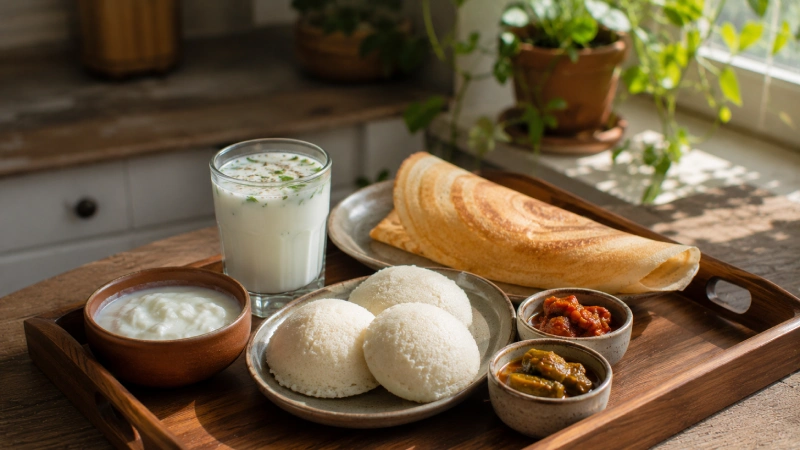
So yogurt is, like, one of the most widely eaten fermented dairy things in the whole world. In India, it’s usually the plain curd with rice, or it goes into lassi, which feels really cooling, and sometimes it shows up in marinades and curries, that sort of savory situation. In Middle Eastern food, yogurt is often served with grilled meats and veggies, or it gets mixed up with herbs and a bit of olive oil, like a dip kind of moment. That creamy feel, plus a gentle tangy note, makes it work in both sweet and savory recipes with little trouble.
Sauerkraut – Germany
Sauerkraut is created by fermenting very finely shredded cabbage with salt. In Germany and parts of Central Europe, it is often served alongside sausages, roasted pork, mashed potatoes, or even in sandwiches. The crisp texture and sour kind of flavor really help balance the heavier, richer meals. These days, sauerkraut is also a popular topping for burgers and hot dogs in plenty of countries, so it has traveled pretty far.
Miso – Japan
Miso is a fermented soybean paste and a key ingredient in Japanese cooking. It’s most often used for miso soup, but you can also find it in marinades, sauces, noodle dishes, and even salad dressings. The varieties can be pretty different, too, from mild and slightly sweet to deep, rich, and intensely savory. Even a small spoon of miso can bring a dish a lot more character, like real extra depth.
Kefir – Eastern Europe and the Caucasus
Kefir is a fermented milk drink; people recognize it because it stays smooth, and it tastes a bit tangy. Some folks drink it on its own as a refreshing beverage, while others mix it into smoothies or pour it over cereal and fruit. Because it’s light and easy to drink, it works as a convenient breakfast or a snack in between, whenever you want something simple.
Tempeh – Indonesia
Tempeh is made by fermenting soybeans until they turn into a firm, cake-like block with a nutty flavor. In Indonesia, people usually fry it, grill it, steam it a bit too, or toss it into stir-fries and curries. And since it stays firm and has a high protein content, tempeh has become a popular meat replacement in vegetarian and vegan cooking, kind of everywhere.

Natto – Japan
Natto is also a traditional Japanese fermented soybean dish, but it’s known for being sticky and having a strong smell you notice right away. Some people feel the taste is an acquired habit. Still, many Japanese households eat natto with steamed rice, often with soy sauce, mustard, or chopped green onions. It’s especially loved as a nutritious breakfast.
Injera – Ethiopia and Eritrea
Injera is a soft, spongy flatbread made from fermented teff flour. Instead of using plates, people set stews, vegetables, and meat right on top of the bread. Diners tear off pieces of injera to scoop up everything, making the meal more of a shared, communal moment than a strictly personal one.
Also, the bread has that mild sourness that goes well with deeply spiced dishes, which is the point.
Fermented Pickles – Many Countries
Traditional fermented pickles are different from vinegar pickles because they rely on natural fermentation rather than just vinegar.
Across Eastern Europe, Asia, and other places, fermented cucumbers and vegetables are served as side dishes, snacks, or alongside sandwiches and rice meals. They’re crisp, tangy, and they end up being a common everyday addition. Fermented foods stay popular because they mix practicality with flavor; they’re both useful and enjoyable. They can reduce food waste, help keep seasonal ingredients available longer, and add those layered flavors that fresh foods usually don’t deliver in the same way. A lot of families also hold on to them, since recipes get passed down through generations, so cultural traditions don’t just disappear; instead, they keep people meeting at the dining table, even when life gets busy.
Final thoughts
From South Korea’s kimchi and Japan’s miso to Germany’s sauerkraut and Indonesia’s tempeh, fermented foods show how creative cultures can be across the planet. Each option mirrors local products, the climate, and everyday culinary habits, yet still brings its own signature flavor that has, honestly, stood the test of time. Whether served as a side dish, a proper filling meal, or even a refreshing drink, these straightforward fermented foods remind us that some of the world’s most loved recipes are made through patience, tradition, and a remarkable natural fermentation process.