
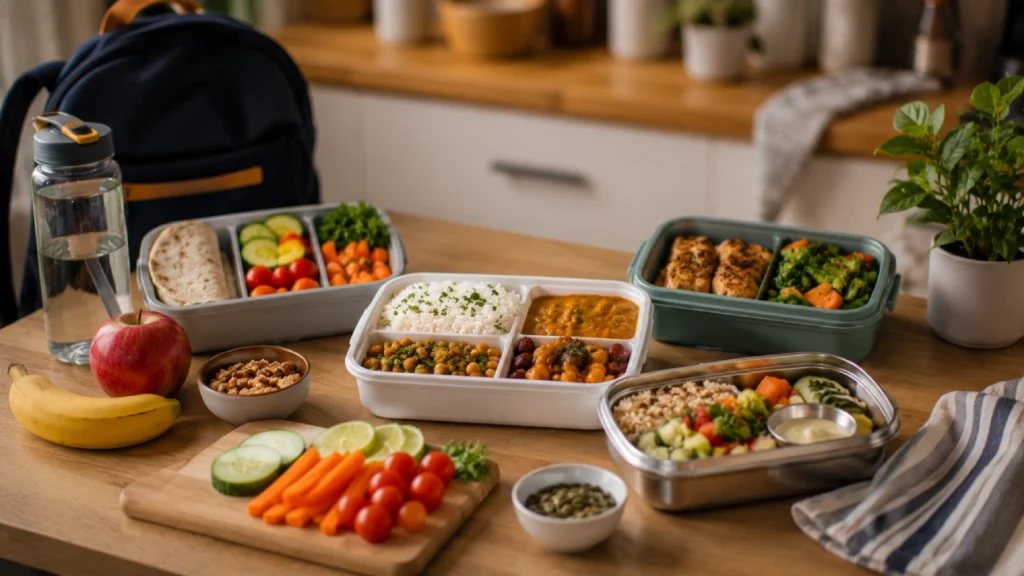
A healthy lunchbox is not just a packed meal — it is an investment in the health, well-being and lifestyle of the individual. Whether it is for a student studying in school, an individual going into the workplace on a daily basis, or a parent who barely gets time to take care of their own needs, the food we eat shapes our immediate present and our near future.
Many people skip meals during hectic days,s which leaves little room to plan, prepare, cook,k and then timely consume or offer a meal in the midst of busy schedules. While this may seem harmless at first glance, it is a deeply damaging practice that may lead to irreversible health outcomes. Others prefer to exchange their meals for fast food or street food that are easily available.
As a consequence, these less-nutritious alternatives lead to poor concentration, fatigue, low energy, heart problems, weight gain and skin issues. Preparing a nutritious lunchbox from home allows the individual to have greater control over the ingredients they use in their food, the portion sizes of the meal and the quality of the food. Making homemade lunches also acts as a powerful financial catalyst to prevent mindless spending on dining out and reduce food wastage.
Components Of A Healthy Lunchbox
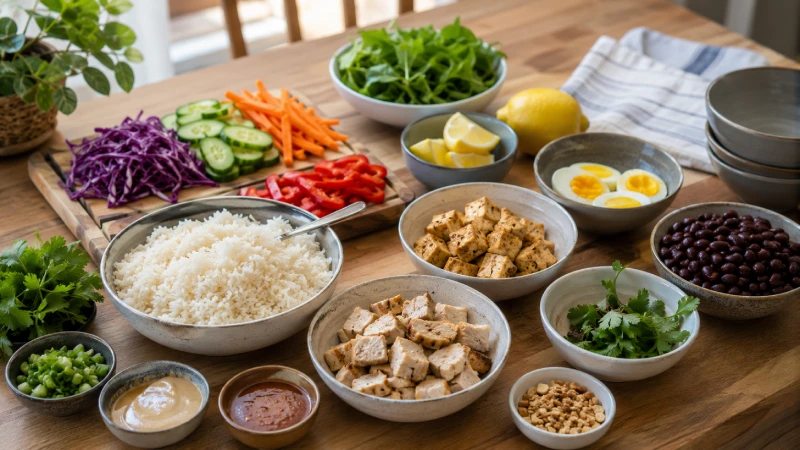
A healthy lunchbox includes foods from all the different food groups that work together to keep one full, energized, and fulfill the various nutritional needs of the body.
Carbohydrates in the form of whole grains such as whole wheat bread, brown rice, millets, oats, quinoa and whole wheat chapati or rotis provide complex carbohydrates that act as the primary source of energy, released slowly throughout the day to help maintain energy levels.

Protein is another crucial component of a healthy lunchbox. It may be in the form of eggs, chicken, paneer, tofu, beans, chickpeas, or yogurt. The primary purpose of protein is to repair the body tissues, maintain muscle strength and ensure that one feels full for a longer period of time.
Vegetables should make up a good portion of a balanced diet. Carrots, cucumbers, tomatoes, spinach, broccoli, beans, lettuce and peas are packed with important vitamins and minerals, antioxidants and fiber that support gut and brain health.
Fruits provide sweetness and refreshment while supplying essential nutrients like Vitamin C, potassium and fiber. Seasonal fruits are a must since they are fresher, taste better and are comparatively more affordable.
Sources of healthy fats include nuts like almonds, cashews, walnuts, hazelnuts and peanuts. Seeds like pumpkin, watermelon, chia, and flax are an easy addition to meals to make them nutritionally rich.
Drinking the recommended amount of water ensures that the body is hydrated and reduces the cravings for sugary drinks.
Healthy Lunchbox Ideas For Students
Students need foods that support their growth and provide steady energy for learning, playing, and extracurricular activities during long periods of school and college.
Some healthy lunchbox ideas include:
- Whole wheat sandwiches with vegetables like tomatoes or lettuce and some protein in the form of grilled chicken, egg, paneer, or cheese.
- Chapati rolls filled with vegetables and protein.
- Fried rice made from brown rice with peas, carrots, and beans, with some protein like egg, chicken, or prawns.
- Homemade pasta with tomato sauce.
- Idli with coconut chutney and a side of fruit.
- Egg salad sandwiches with cucumber and lettuce.
Healthy snacks may include yogurt with seeds and fruit, homemade trail mix, roasted makhana, popcorn, fruits or boiled eggs. It is advised to avoid potato chips, sugary drinks, chocolates, and instant noodles daily.
Healthy Lunchbox Ideas For Office Workers and Parents
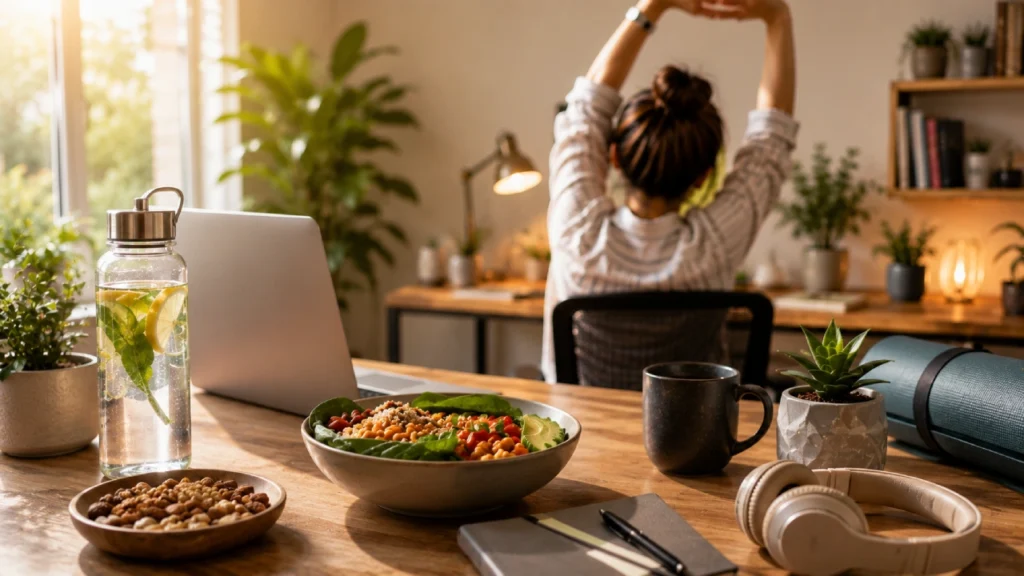
Office workers spend long hours seated at desks in desk-bound jobs, and this requires nutritious meals. Healthy lunches can cure afternoon slumps, improve productivity and concentration, and help maintain a healthy weight.
Some easy office lunch ideas are as follows:
- Brown rice with grilled chicken or fish with a side of steamed vegetables
- Quinoa salad or chana chaat with tomatoes, cucumbers, olives
- Whole wheat wraps with chicken and grilled vegetables
- Rajma with brown rice and a side of fruit
- Dal, roti, mixed vegetables and boiled eggs
- Paneer curry with roti or a tofu stir fry and a side of fruit
- Homemade chicken rice stir fry with vegetables and a side of yogurt
- Steamed chicken or vegetable dumplings with homemade sauce
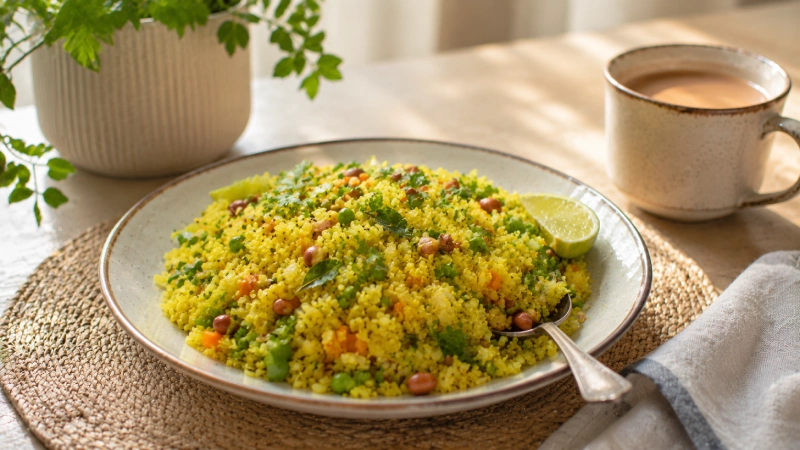
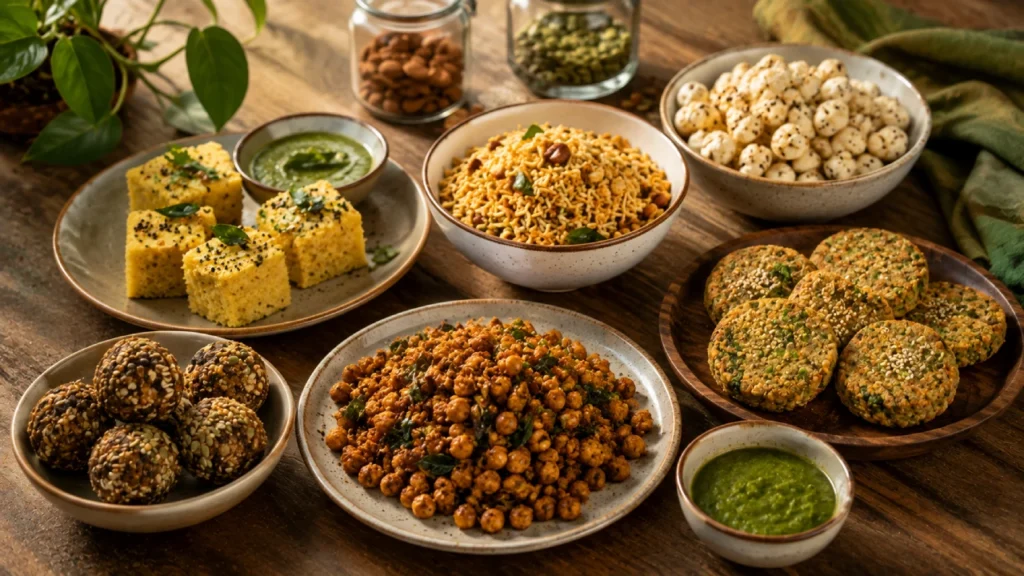
For snacks after lunch, they may opt for a handful of nuts, yogurt with fruits and honey, or mixed roasted seeds or roasted makhana instead of fried alternatives.
Healthy Snack Ideas
Some healthy snack ideas include:
- Apple slices with peanut butter
- Green tea with cheese and crackers
- Yogurt with fried berries and seeds
- Fruit slices
- Handful of nuts
- Homemade sweet balls made with oats and dates
- Bananas and other fresh seasonal fruits
Smart Meal Prep Tips
A little planning and preparation make it drastically easier to eat healthy. Planning the meals of the upcoming week the week before helps to reduce wastage and save time and money. Some of the tips to prepare meals smartly are as follows:
- Wash and chop vegetables ahead of time
- Cook extra rice and chapatis so that there is leftover from the night before
- Make sandwich fillings for breakfast or lunches
- Keep eggs boiled in the fridge
- Stock up on healthy snacks such as peanut butter, different types of nuts, seeds, yogurt and makhan.a
- Keep homemade sauces prepared in advance for wraps, sandwiches or pasta
- Keep fruits washed and cut or simply pack whole in case of an apple, banana or kiwi
Benefits Of Packing Your Own Lunchbox
Homemade lunches offer several advantages beyond nutrition. They save money since they are usually more affordable than eating out. They allow individuals to cater to their dietary preferences, control portion sizes, and reduce salt and sugar intake. Packaging lunches reduces food waste as leftovers are creatively used up the day after. It encourages healthy eating habits for the entire family and makes eating healthy easier on busy and hectic schedules.
Conclusion
A healthy lunchbox need not be complicated or big-budget. By combining an element from the various food groups, one can easily prepare a balanced and healthy lunch. Planning meals and grocery shopping ahead of time, limiting processed foods, and choosing fresh ingredients serve as a simple yet impactful habit that benefits both younger students and older workers and parents. A little thoughtful preparation and some creative ideas are enough to start making healthy and nutritious lunchboxes that eventually create the healthy lifestyle we wish to maintain.