

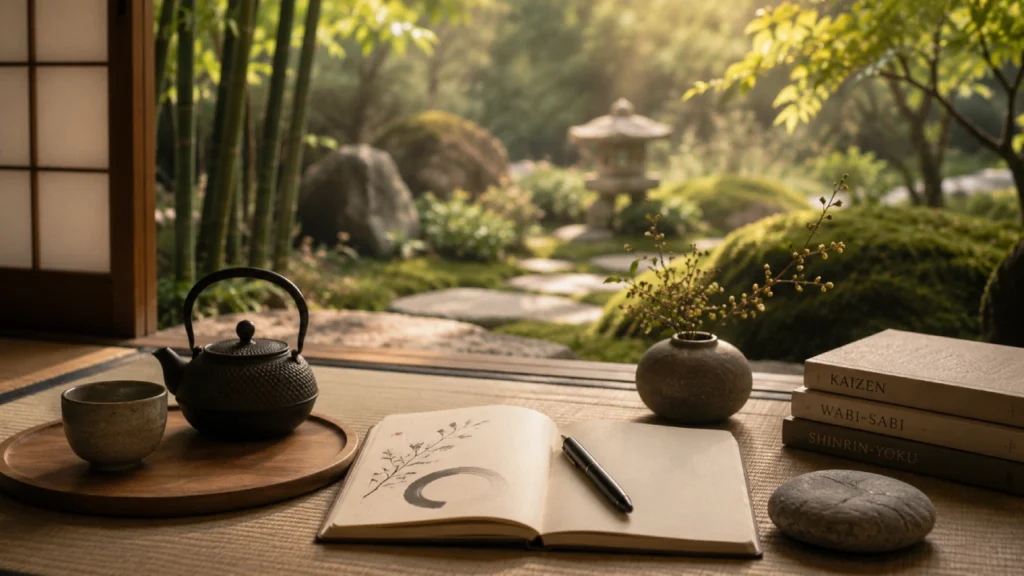
Modern life can make being busy feel almost normal. We move between work, studies, responsibilities, messages and social media, often without giving ourselves enough time to pause. Even our breaks can become another opportunity to look at a screen.
Japanese culture has several ideas and practices that offer a different perspective. Japanese-inspired calm habits focus on gradual improvement, mindfulness, nature, accepting imperfections and finding meaning in everyday life. These are not rules followed by every person in Japan, but ideas that can inspire us to approach our own routines differently.
‘Kaizen’: Start Small
Kaizen is a Japanese concept associated with continuous improvement through small, gradual changes. Although it has strong roots in Japanese business and management, the principle can also be applied to personal life.
Instead of trying to change everything overnight, kaizen encourages progress through manageable steps. It is a useful reminder that improvement does not always have to be dramatic to be meaningful.
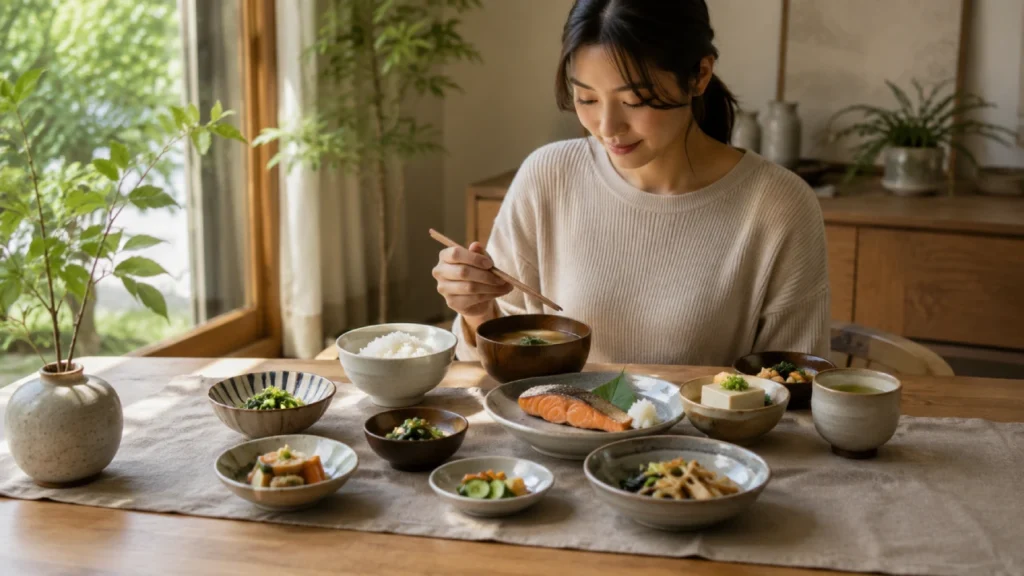
‘Hara Hachi Bu’: Be More Mindful While Eating
Hara hachi bu, particularly associated with Okinawan tradition, is commonly understood as eating until you are about 80 percent full. The idea also encourages greater awareness around eating instead of rushing through meals or continuing without noticing your body’s signals.
In a lifestyle where meals can happen alongside work, entertainment and phone scrolling, simply paying attention to what and how we eat can become a small act of mindfulness.
‘Shinrin-Yoku’: Let Nature Give You a Pause
Shinrin-yoku, often translated as “forest bathing”, is a Japanese practice of spending mindful time in nature. Rather than focusing on exercise or reaching a destination, it encourages people to experience their surroundings through their senses.
You do not necessarily need a forest to embrace the idea. A park, garden or quiet outdoor space can provide an opportunity to step away from screens and reconnect with the world around you.
‘Wabi-Sabi’: Let Go of Perfection
Wabi-sabi is a Japanese aesthetic idea associated with simplicity, imperfection and impermanence. It offers a gentler way of looking at things that do not turn out exactly as planned.
At a time when social media often shows polished versions of people’s lives, the idea can be comforting. Not everything has to be flawless to have value, and accepting imperfections can take away some of the pressure we place on ourselves.
‘Ma’: Leave Some Space in Your Day
The Japanese concept of ma broadly refers to space, interval or the pause between things. Applied to everyday life, it can be a reminder that every moment does not need to be filled.
When one task immediately follows another and even rest involves scrolling, the mind rarely gets a genuine break. Creating small spaces between activities can make the day feel less rushed and give us time to reset.
‘Ikigai’: Find What Makes Life Meaningful
A calmer life is not necessarily about doing less. It can also come from knowing what makes our lives meaningful.
Ikigai is often described as a reason for being or something that gives life value and joy. It does not have to be one grand purpose or the perfect career. Work, relationships, hobbies, creativity or helping others can all give someone a reason to look forward to the day.
Finding those small sources of meaning can make an ordinary routine feel more fulfilling.

Japanese-inspired calm habits: A 7-Day Japanese-Inspired Calm Reset
Feeling overwhelmed after a particularly stressful week? Try this seven-day Japanese-inspired reset and see which ideas fit naturally into your routine. The aim is not to transform your life in a week, but to introduce one small moment of calm each day.
- Day 1 — Make Space With ‘Ma’
Give yourself 10 minutes of unfilled time. Put away your phone, step back from work and allow yourself to simply pause. You can have tea, sit quietly or look outside the window.
- Day 2 — Slow Down With ‘Hara Hachi Bu’
Choose one meal and give it your full attention. Eat slowly, notice the taste and texture and pay attention to how your body feels rather than rushing to finish.
- Day 3 — Step Outside With ‘Shinrin-Yoku’
Spend 15–20 minutes outdoors. Walk or sit somewhere with trees, plants or open air and focus on what you can see, hear and feel instead of reaching for your phone.
- Day 4 — Make One Small Change With ‘Kaizen’
Choose one part of your routine you would like to improve. It could be waking up slightly earlier, reducing screen time or making your morning less rushed. Pick one small change rather than trying to fix everything.
- Day 5 — Take the Pressure Off With ‘Wabi-Sabi’
Think about one thing that has not gone perfectly. Instead of immediately trying to correct it, ask yourself whether it really needs to be perfect. Sometimes, accepting what cannot be changed can be more peaceful.
- Day 6 — Find Your ‘Ikigai’
Make time for something that genuinely gives you joy or meaning. It could be a hobby, meeting someone you love, reading, creating something or simply doing something that makes you feel like yourself.
- Day 7 — Keep What Works
Look back at the previous six days and notice which habit made you feel more comfortable, focused or present. You do not have to continue everything. Keep the ideas that fit naturally into your life and leave the rest behind.
How to Make These Ideas Last
The point of trying these habits is not to turn calm into another task on your to-do list. Choose what feels useful and make it part of your routine gradually.
This is where kaizen can come back into the picture. Instead of expecting a complete lifestyle transformation, focus on the small changes you can realistically repeat. Over time, even simple pauses, mindful meals or moments of purpose can become natural parts of your day.
Conclusion
Japanese-inspired calm is not about escaping modern life or copying another culture completely. It is about taking a few thoughtful ideas and finding a place for them in our own routines.
A slower meal, a quiet walk, a few minutes without a screen, accepting an imperfect day or making time for something meaningful may not change everything. But they can change how we experience the day.
We cannot always remove stress from our lives. What we can do is create small moments where we stop rushing through them. Sometimes, a calmer life does not begin with doing more. It begins with giving ourselves permission to slow down.