
Fashion keeps moving forward. Fresh trends show up on social media, designers play around with shapes and materials, and modern clothing has become more and more global. Still , when it comes to weddings, festivals, religious ceremonies, and even family get-togethers, traditional clothing keeps a real spot. Someone who usually doesn’t wear traditional clothes during normal days might still pick a saree, kurta, lehenga, sherwani, or some other cultural garment for a big moment.
And it’s not just because it looks refined and elegant. It’s more like a signal of heritage, identity, family ties, remembered days, and that feeling of belonging. So, traditional clothing has stayed relevant even when daily life becomes faster, more modern, and sometimes a bit less rooted.
Connecting the Present With the Past
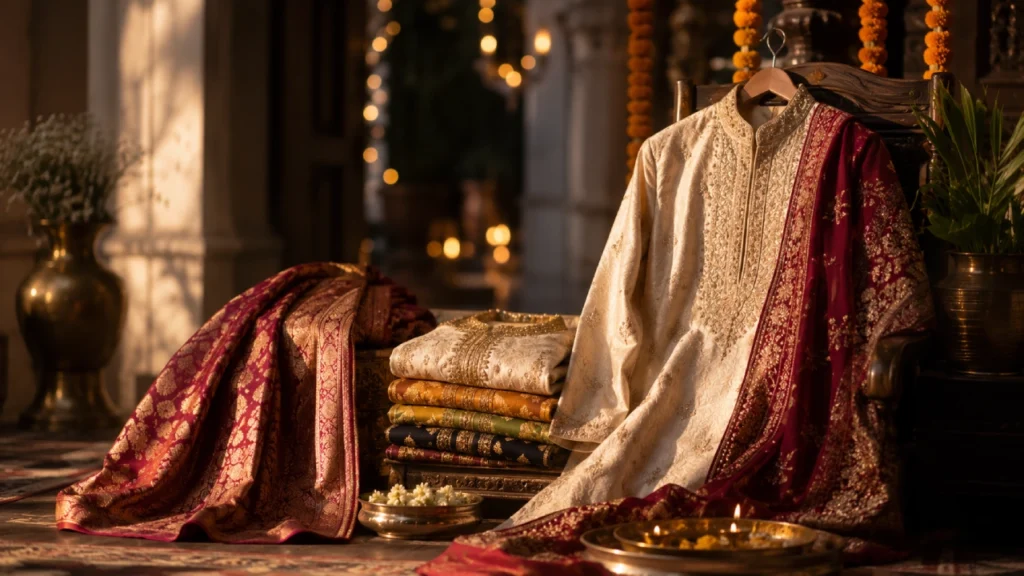
One of the main reasons traditional clothing still matters is how it links to history. Traditional garments often carry the influence of generations of craft work, regional routines, and cultural habits. The fabrics, the embroidery, the colors, the patterns, and even the way something is made can quietly tell stories about a community, and where it came from.
India, for example, is a strong illustration of this variety. Sarees, salwar suits, lehengas, dhotis, kurtas, and sherwanis developed in different forms across many regions. And even when people name the same garment, the style can turn out completely different depending on the place it’s associated with. Wearing these clothes during celebrations helps people keep a visible bond with their roots.

Traditional Clothing makes celebrations feel
Clothing also adds to that vibe of an occasion, even if people don’t always say it out loud. In everyday life we usually stay with comfortable and practical choices like jeans, T-shirts, shirts, sneakers and athleisure. But celebrations kind of change the rules. It’s like, suddenly you can dress differently. Putting on traditional clothing can create this small spark of meaning, like something is happening today, not just another ordinary day.
Actually the whole routine can become part of the celebration itself. Choosing the outfit, picking jewellery, styling hair, preparing accessories it all feels connected, and somehow it makes the event more real. This is most obvious at weddings and festivals. Traditional clothing pairs well with decorations, music, food and rituals, so the atmosphere feels distinct from what you normally experience. For many people, dressing traditionally is not just a fashion decision. It becomes a way to take part in the celebration.
Expressing Cultural Identity
Clothing can be a strong way of self-expression too. People communicate things about cultural identity through what they wear. Traditional clothing can show regional background, family traditions, and cultural links, often without having to explain anything, verbally. This can be even more meaningful for people who live far from their ancestral communities. For diaspora communities, cultural celebrations might be one of the rare times when traditional clothing shows up in everyday life in a visible way.
Wearing it helps people keep a connection to their roots, even if they’re in a different cultural environment. And it works for younger generations as well. A child might not get the history behind a particular garment at first. Still, seeing it again and again, and wearing it during family celebrations, can stir curiosity and later a deeper appreciation of what it stands for.
Young People Are Giving Tradition a Modern Twist
Traditional clothing has survived, partly because younger generations are not always wearing it the same way earlier generations did. Instead, they are testing it, tweaking it, rethinking it in their own way. For example, a saree can be styled with a modern blouse, a cropped jacket, a belt or even a few unusual accessories. A kurta might go with contemporary trousers or sneakers. Lehengas can take on minimalist patterns, unexpected shades and cleaner contemporary cuts. And honestly it feels less like “replacement” and more like remixing. Social media has pushed this forward faster than before.

Platforms like Instagram and Pinterest make it easier for young people to find styling ideas from different regions and cultures, sometimes within minutes. So the process feels a bit more open, less hidden behind tradition only, if that makes sense.All of this shows that tradition does not always have to mean refusing change. When people reinterpret traditional garments while still keeping their cultural identity, they can make those outfits fit modern daily life. The outcome is not necessarily a loss of tradition but more like a slow evolution of it, step by step.
Preserving Traditional Craftsmanship, too
Traditional clothing also matters because it helps protect artisanal skills that can be hard to replace later. Many cultural garments rely on specialised methods of hand embroidery, weaving, block printing, dyeing, beadwork, and other detailed textile work. Usually these abilities are taught over time, passed down through families, and sustained inside communities. When people keep buying and wearing traditionally crafted clothing, they support ongoing demand for those skills.
That becomes especially important in a world of mass-produced fashion. Fast fashion makes clothes cheaper and more available, but it can also lower the market for craftsmanship that takes longer, and requires real patience. So choosing a handmade traditional garment for a special occasion can support artisans, and it also helps keep cultural techniques breathing, instead of fading away quietly.
Tradition and Modernity Can Really Coexist
Traditional fashion and modern style don’t actually have to go head to head. A person might wear contemporary outfits all week long, but then still pick more traditional clothing for a festival or a wedding. In the same way, someone can follow international fashion trends while staying tied to their cultural roots. This mix is becoming pretty easy to spot at newer celebrations.
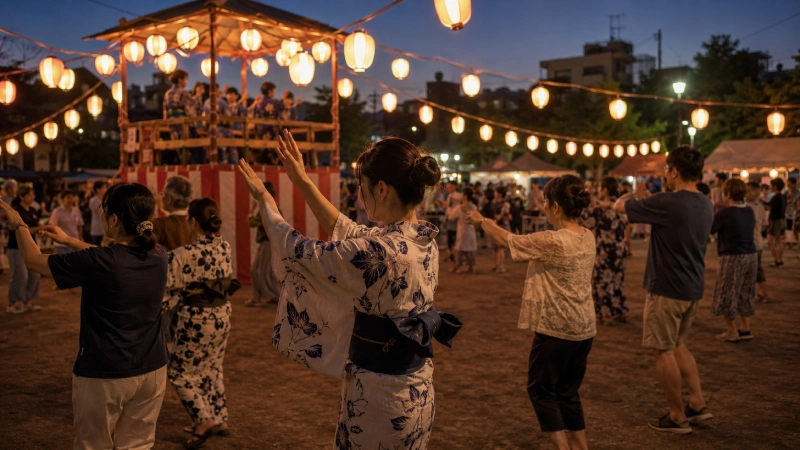
Sometimes you have traditional ceremonies happening next to contemporary venues, along with modern photography, digital invites and fresh kinds of entertainment too. Traditional clothing fits into that whole atmosphere because it can keep evolving with the people who wear it, not just staying still in time or pretending it can’t change.
Conclusion
Traditional clothing still matters at modern events, because it means far more than what a person puts on. It links people back to their history, shows cultural identity clearly, protects craftsmanship, and builds emotional memories that last. At the same time, traditional clothing isn’t locked in the past either.
Younger generations are experimenting, finding new styling approaches and rethinking cultural garments in their own way, so they remain relevant in today’s world. The future of traditional clothing might look different from the past. Sarees could be arranged in new ways, classic textiles might show up in modern shapes, and cultural outfits may even blend with global fashion.